

WBO Boxing Titles Explained for New Fans delves into the intricate world of boxing titles, shedding light on the significance of WBO titles and how they differ from other boxing organizations. Brace yourself for a captivating journey filled with insights and revelations.
This guide aims to provide a detailed overview of WBO Boxing Titles, from the categories and championship belt to how boxers can earn these prestigious titles. Let's explore the world of WBO Boxing Titles together.
Overview of WBO Boxing Titles
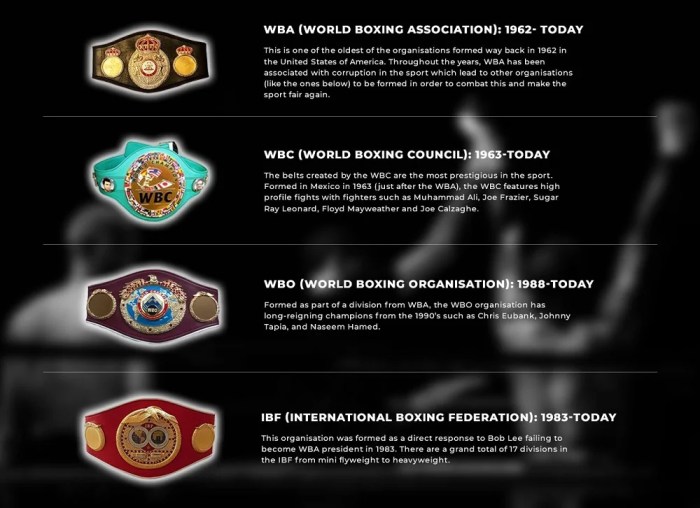
When it comes to the world of boxing, the WBO holds a significant place in determining champions across various weight divisions. Let's delve into what WBO stands for in boxing, the importance of WBO titles, and how they differ from other sanctioning bodies.
What WBO Stands For
The WBO stands for World Boxing Organization, one of the major sanctioning bodies in professional boxing. It was established in 1988 and has since played a crucial role in organizing and recognizing champions in different weight classes.
Significance of WBO Titles
WBO titles are highly coveted in the boxing world, as holding a WBO championship signifies that a boxer is recognized as the best in their weight division by the organization. Winning a WBO title can elevate a boxer's career and open up opportunities for bigger fights and increased recognition within the sport.
Differences from Other Boxing Sanctioning Bodies
One key difference between WBO titles and those from other sanctioning bodies like WBC, WBA, and IBF is the specific criteria and regulations set by the WBO for determining rankings and mandating title fights. Each organization has its own set of rules and procedures, leading to variations in how champions are crowned and contenders are ranked.
WBO Title Categories
In the world of boxing, the WBO (World Boxing Organization) recognizes various title categories that boxers can compete for based on their weight classes. These categories play a crucial role in determining a boxer's eligibility to compete for a specific title.
Heavyweight
The heavyweight category is one of the most prestigious and well-known divisions in boxing. Boxers in this category must weigh above 200 pounds to qualify. Competing for the WBO Heavyweight Title requires boxers to meet the weight criteria and demonstrate their skills in the ring.
Middleweight
The middleweight category includes boxers who weigh between 154 to 160 pounds. To compete for the WBO Middleweight Title, boxers must fall within this weight range and adhere to the organization's regulations regarding eligibility and competition.
Lightweight
Lightweight boxers typically weigh between 130 to 135 pounds. Competing for the WBO Lightweight Title involves meeting the weight requirements, as well as demonstrating the necessary skills and capabilities to contend for the title.
Importance of Weight Classes
Weight classes are crucial in boxing as they ensure fair competition and allow boxers of similar sizes and weights to compete against each other. By categorizing boxers based on weight, the WBO promotes balanced matches and gives fighters the opportunity to compete on a level playing field.
WBO Championship Belt
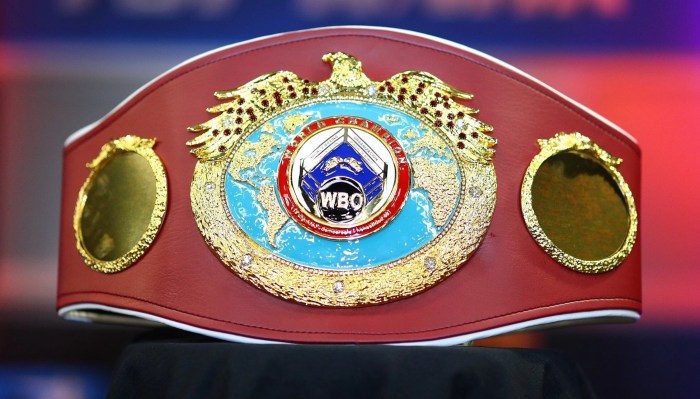
The WBO Championship Belt holds a significant place in the world of boxing, representing excellence and achievement in the sport. Let's delve into the history, design, and unique features of this prestigious belt.
Brief History of the WBO Championship Belt
The WBO Championship Belt was first introduced in 1988 when the World Boxing Organization was founded. Since then, it has become a symbol of success for boxers around the globe, signifying their victory and recognition as champions in their respective weight classes.
Design and Symbolism
The WBO Championship Belt features a distinctive design with the organization's logo prominently displayed. The belt is crafted with intricate detailing, including gold and silver accents, symbolizing honor, prestige, and accomplishment. The colors and materials used in the belt reflect the rich history and tradition of boxing, adding to its allure and significance.
Unique Features and Traditions
One unique feature of the WBO Championship Belt is the personalized nameplate that is added to the belt for each champion, commemorating their reign and legacy in the sport. This tradition adds a personal touch to the belt and creates a lasting memento for the champions to cherish.
Additionally, the presentation of the belt to the champion in the ring after a victorious fight is a special moment that showcases the recognition and respect accorded to the titleholder
How WBO Titles are Earned
To earn a shot at a WBO title, boxers must follow a specific process and meet certain criteria set by the World Boxing Organization. Let's delve into how boxers can qualify for a WBO title fight.
Qualifying for a WBO Title Fight
- Rankings: Boxers usually need to work their way up the WBO rankings in their respective weight class to become eligible for a title shot. The higher the ranking, the closer they are to a title opportunity.
- Elimination Fights: Some boxers may need to participate in elimination bouts to determine the top contender for the WBO title. These fights help narrow down the pool of challengers.
- Mandatory Defenses: In some cases, boxers may earn a mandatory title shot based on their performance, such as being the top-ranked contender or winning an eliminator bout.
Rules and Regulations for Competing for a WBO Title
- Weigh-in Regulations: Boxers must adhere to the WBO's strict regulations regarding weight limits for their specific weight class. Failure to meet these requirements can result in disqualification.
- Drug Testing: The WBO enforces rigorous drug testing protocols to ensure a level playing field. Boxers must comply with anti-doping regulations to be eligible for a title fight.
- Contractual Obligations: Boxers and their teams must comply with all contractual agreements set forth by the WBO, including fight terms, purse splits, and other stipulations.
Notable WBO Title Fights
Throughout boxing history, there have been several memorable WBO title fights that have left a lasting impact on the sport. These fights have not only showcased incredible skill and determination but have also influenced the boxing landscape in significant ways.
Evander Holyfield vs. Michael Moorer (1994)
- One of the most notable WBO title fights was the bout between Evander Holyfield and Michael Moorer in 1994.
- Evander Holyfield became the first boxer to unify the WBA, WBC, and WBO heavyweight titles after defeating Michael Moorer.
- This fight solidified Holyfield's legacy as one of the greatest heavyweight boxers of all time and brought a unification of major titles in the division.
Manny Pacquiao vs. Marco Antonio Barrera (2003)
- The clash between Manny Pacquiao and Marco Antonio Barrera for the WBO featherweight title in 2003 was a defining moment for Pacquiao's career.
- Pacquiao's dominant performance against Barrera catapulted him to global stardom and established him as one of the best pound-for-pound fighters in the world.
- This fight marked the beginning of Pacquiao's incredible journey through multiple weight classes and numerous world titles.
Oscar De La Hoya vs. Fernando Vargas (2002)
- The WBO junior middleweight title fight between Oscar De La Hoya and Fernando Vargas in 2002 was a highly anticipated showdown between two Mexican-American boxing stars.
- De La Hoya's victory over Vargas not only secured his legacy as a boxing icon but also showcased the intense rivalry and skill level of both fighters.
- This fight was a major pay-per-view success and highlighted the significance of WBO title fights in attracting global audiences.
Ultimate Conclusion
In conclusion, WBO Boxing Titles have a rich history and play a pivotal role in the boxing landscape. By understanding the intricacies of WBO titles, new fans can appreciate the sport even more. Dive into the world of WBO Boxing Titles and witness the legacy of champions unfold before your eyes.
Key Questions Answered
What does WBO stand for in boxing?
WBO stands for World Boxing Organization, one of the major sanctioning bodies in professional boxing.
How are WBO titles different from other boxing sanctioning bodies?
WBO titles are unique to the World Boxing Organization and have their own set of rules and regulations for competition.
What are the different categories of WBO titles?
WBO titles are divided into categories such as heavyweight, middleweight, etc., based on the boxer's weight class.
How can boxers earn a shot at a WBO title?
Boxers can earn a shot at a WBO title by climbing the ranks in their weight class and meeting specific criteria set by the organization.
What is the significance of weight classes in determining title eligibility?
Weight classes ensure fair competition by pitting boxers of similar size and weight against each other for WBO titles.


![Precision Boxing Training Sticks — Do They Work? [Complete Guide] | by ...](https://sport.kuninganmass.com/wp-content/uploads/2025/12/0YpRkRQLRv24Umcq5-120x86.jpg)