

Exploring the world of First Tee Programs and their crucial role in shaping the future of young golfers is a fascinating journey filled with insights and inspiration. As we delve into the realm of youth golf development, we uncover the transformative power of these programs in nurturing talent and character.
Detailing the structure, components, and impact of First Tee Programs unveils a tapestry of learning and growth opportunities that pave the way for a promising future in the sport.
Importance of First Tee Programs
First Tee Programs play a vital role in youth golf development by providing young players with valuable skills both on and off the course.
Key Benefits of First Tee Programs
- Instilling core values: First Tee Programs emphasize important values such as honesty, integrity, and sportsmanship, helping young golfers develop a strong moral compass.
- Teaching golf skills: Participants receive expert instruction to improve their golfing abilities, from swing techniques to course management strategies.
- Building confidence: Through practice and competition, young players gain confidence in their skills and themselves, which can positively impact other areas of their lives.
- Promoting healthy habits: Engaging in physical activity through golf promotes fitness and overall well-being among participants.
Character Development in First Tee Programs
First Tee Programs go beyond teaching golf skills by focusing on character development in participants.
- Resilience: Facing challenges on the course helps young golfers develop resilience and learn how to overcome obstacles.
- Leadership skills: Through teamwork and mentoring opportunities, participants can develop leadership qualities that will serve them well in the future.
- Community involvement: First Tee Programs encourage young players to give back to their communities through volunteering and outreach initiatives, fostering a sense of responsibility and compassion.
Structure and Components of First Tee Programs
First Tee Programs are designed to provide young individuals with the opportunity to learn and develop their golf skills in a structured and supportive environment. These programs typically follow a well-defined structure and curriculum to ensure that participants receive comprehensive training and guidance.
Typical Structure of First Tee Programs
First Tee Programs are usually divided into different levels or stages, each focusing on specific aspects of the game and personal development. Participants progress through these levels as they acquire new skills and knowledge.
- Beginner Level: Introduces basic golf techniques and rules to new participants.
- Intermediate Level: Builds on the basics and enhances skills in areas such as driving, putting, and course management.
- Advanced Level: Focuses on refining techniques, strategy development, and mental skills training.
Components of a Standard First Tee Program Curriculum
A standard First Tee Program curriculum typically includes a mix of golf instruction, life skills development, and character education. These components work together to provide a holistic learning experience for participants.
- Golf Instruction: Covers all aspects of the game, including swing mechanics, short game skills, and on-course strategy.
- Life Skills Development: Teaches participants important life skills such as goal setting, resilience, and interpersonal communication.
- Character Education: Emphasizes core values like honesty, integrity, sportsmanship, and respect for others.
Approaches to Organizing First Tee Programs for Maximum Impact
There are different approaches to organizing First Tee Programs, each with its unique strengths and benefits. The key is to tailor the program structure to the needs and preferences of the participants while ensuring a well-rounded learning experience.
- Flexible Scheduling: Offering flexible scheduling options to accommodate participants with varying availability and commitments.
- Mentorship Programs: Pairing participants with experienced mentors or coaches to provide personalized guidance and support.
- Community Partnerships: Collaborating with local schools, youth organizations, and golf clubs to expand reach and impact.
Role of Coaches and ors
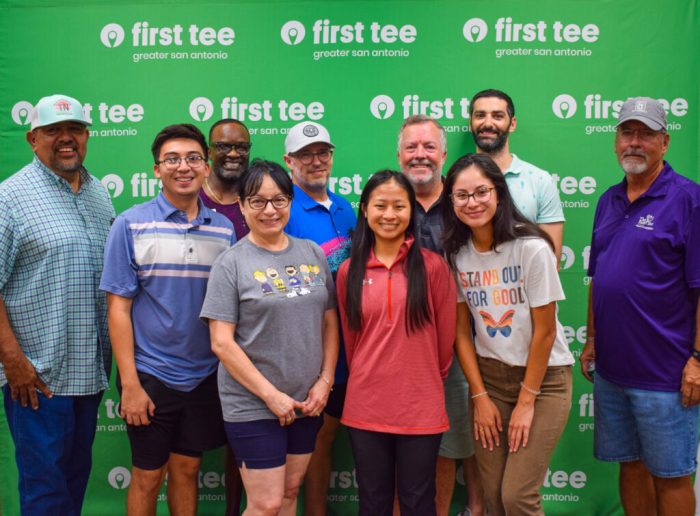
Coaches and other mentors play a crucial role in First Tee Programs by providing guidance, instruction, and motivation to young golfers. Their influence goes beyond teaching golf skills; they also instill important values such as sportsmanship, integrity, and perseverance.
Effective Coaching Techniques
- Positive Reinforcement: Coaches can boost young golfers' confidence by praising their efforts and progress.
- Goal Setting: Setting achievable goals helps young players stay focused and motivated.
- Individualized Instruction: Tailoring coaching techniques to each player's unique needs and learning style can enhance their development.
- Role Modeling: Coaches who embody the values they teach inspire young golfers to emulate their behavior.
Inspiration and Motivation
- Encouragement: Coaches should provide words of encouragement to help young golfers overcome challenges and setbacks.
- Creating a Positive Environment: Fostering a supportive and inclusive atmosphere can motivate players to do their best.
- Setting Examples: Coaches who lead by example and exhibit dedication and passion for the sport can inspire young golfers to follow suit.
Impact of First Tee Programs on Youth Participants
First Tee Programs have had a profound impact on the youth participants, shaping their skills both on and off the golf course. These programs go beyond golf instruction to instill valuable life skills and core values in young golfers.
Success Stories of Individuals
- One success story is that of Sarah, who started in a First Tee Program at the age of 10. Through the program, she not only improved her golf skills but also developed confidence, perseverance, and leadership qualities. Sarah went on to earn a college scholarship through her dedication to golf and the values she learned in the program.
- Another inspiring story is that of Alex, who joined a First Tee Program at a young age. Despite facing challenges on and off the course, Alex credits the program for teaching him resilience, integrity, and goal-setting. Today, Alex is a successful young golfer and a mentor to other aspiring players.
Long-Term Effects of First Tee Programs
- Participating in First Tee Programs has long-lasting effects on young golfers, beyond just improving their golf skills. These programs help participants develop important life skills such as teamwork, respect, and sportsmanship, which are essential both on and off the course.
- Young golfers who have been through First Tee Programs often demonstrate better decision-making abilities, goal-setting skills, and resilience in the face of challenges. These qualities not only help them succeed in golf but also in their academic and professional pursuits.
Shaping the Future of Youth Golfers
- First Tee Programs play a crucial role in shaping the future of youth golfers by providing them with a strong foundation of skills and values. By emphasizing core values like honesty, integrity, and perseverance, these programs help young golfers become well-rounded individuals both on and off the course.
- Through mentorship, coaching, and access to resources, First Tee Programs empower young golfers to reach their full potential and become leaders in their communities. The values instilled in these programs not only benefit the individual players but also contribute to the overall growth and development of the sport.
Last Recap
In conclusion, First Tee Programs stand as beacons of hope for aspiring young golfers, offering not just skills on the course but also invaluable life lessons that shape individuals for success both in golf and beyond. As we reflect on the significance of these programs, it becomes clear that they play a pivotal role in the holistic development of youth in the realm of golf.
Key Questions Answered
What benefits do First Tee Programs offer to young golfers?
First Tee Programs provide not only golf skills but also focus on instilling life skills such as honesty, integrity, and sportsmanship in young participants.
How do coaches and mentors contribute to the success of First Tee Programs?
Coaches and mentors play a crucial role in providing guidance, support, and inspiration to young golfers in First Tee Programs, helping them develop both their golfing abilities and their character.
What long-term effects can participating in First Tee Programs have on young golfers?
Participating in First Tee Programs can lead to improved self-confidence, discipline, and resilience in young golfers, shaping them into well-rounded individuals on and off the course.



![Precision Boxing Training Sticks — Do They Work? [Complete Guide] | by ...](https://sport.kuninganmass.com/wp-content/uploads/2025/12/0YpRkRQLRv24Umcq5-120x86.jpg)